
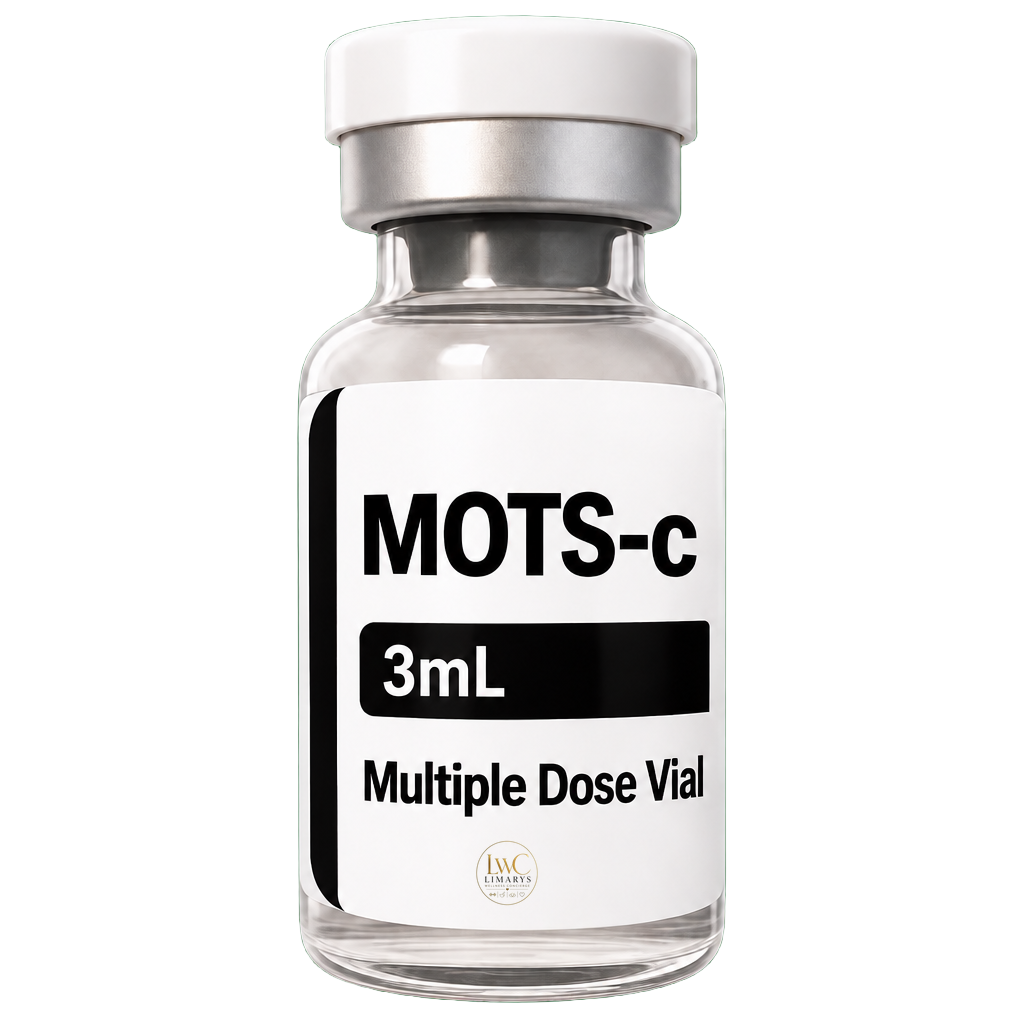
Energy & Metabolism
MOTS-c
Overview & research context
- •Peptide encoded by mitochondrial DNA.
- •Studied mainly in laboratory and animal models of metabolism.
- •Human clinical data are very limited.
Regulatory status
Investigational research compound. Not approved by the FDA for human use.
Product education
Mostly studied in cells and animals
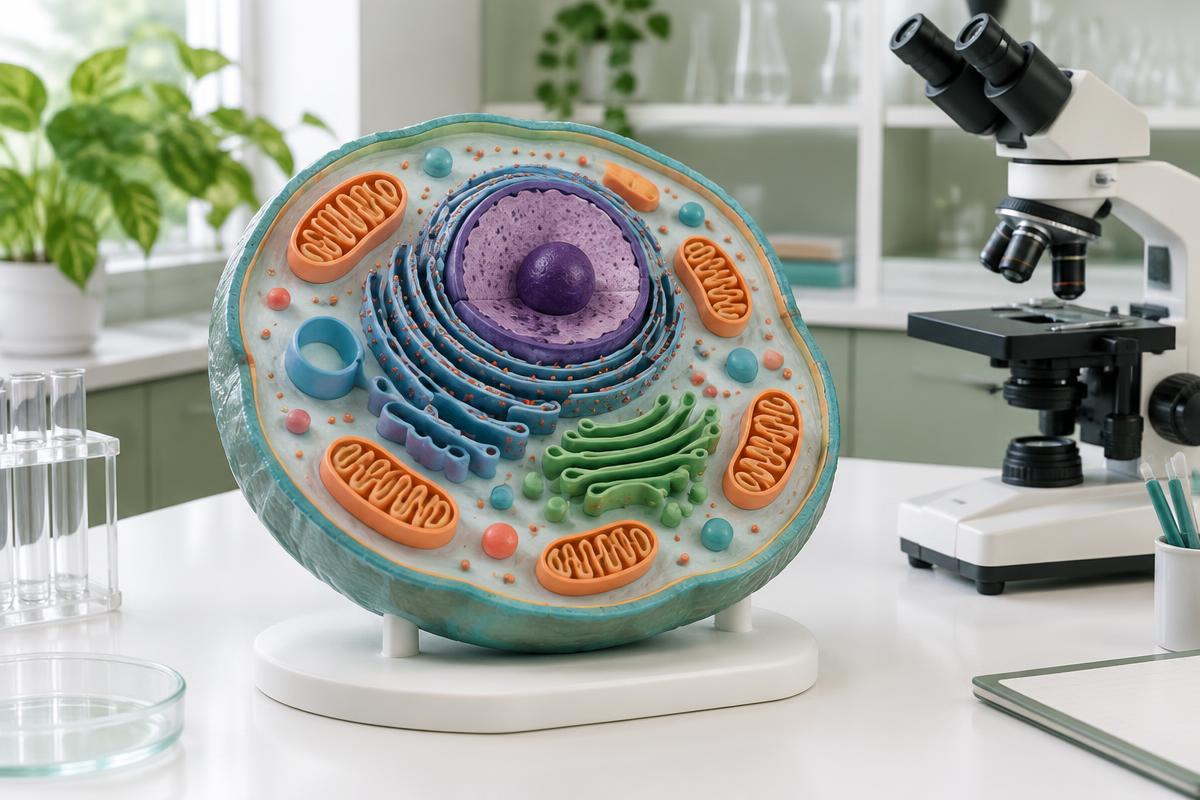
Illustrative educational image
How cells get energy
Mitochondria are the parts of cells that help produce energy. Most MOTS-c tests are in cells and animals, not proven benefits in people.
This image shows the topic being studied. It does not show a person's results or recommend a treatment.
What is it?
It is a small natural signal linked to mitochondria, the parts of cells that help produce energy. Researchers study how it relates to the way cells respond to stress.
What are researchers studying?
Most studies that give MOTS-c to test its effects involve cells and animals. Some studies in people measure the MOTS-c already in the body and compare it with exercise or energy use.
What should you keep in mind?
Finding a substance naturally in the body does not prove that taking more helps. Studies of modified versions also do not prove results for this version or vial.
Educational references
These links help explain the research. They do not confirm what this vial contains, its quality, approval or results. A study is not a recommendation to use a product.
Important safety information
Information on this website is provided for general educational purposes only and does not constitute medical advice. Product availability, regulatory status, and eligibility vary. Certain substances may be investigational or not approved by the FDA for human use. Consult a licensed healthcare professional regarding medical treatment.
FAQ
Can I buy this online?
No. This website is informational only and does not sell products. Contact us for educational information.
Do you provide dosing instructions?
No. Please consult a licensed healthcare professional regarding any treatment.
Is this product FDA-approved?
See the regulatory status above. Many research compounds are not approved for human use.